In Lancaster, the most common types of car accidents include rear-end collisions, intersection crashes, and sideswipe incidents. These are often caused by distracted driving, speeding, and failure to yield. Lancaster’s mix of high-speed arterial roads and busy commercial corridors creates conditions where these accidents occur regularly and often result in serious injuries.
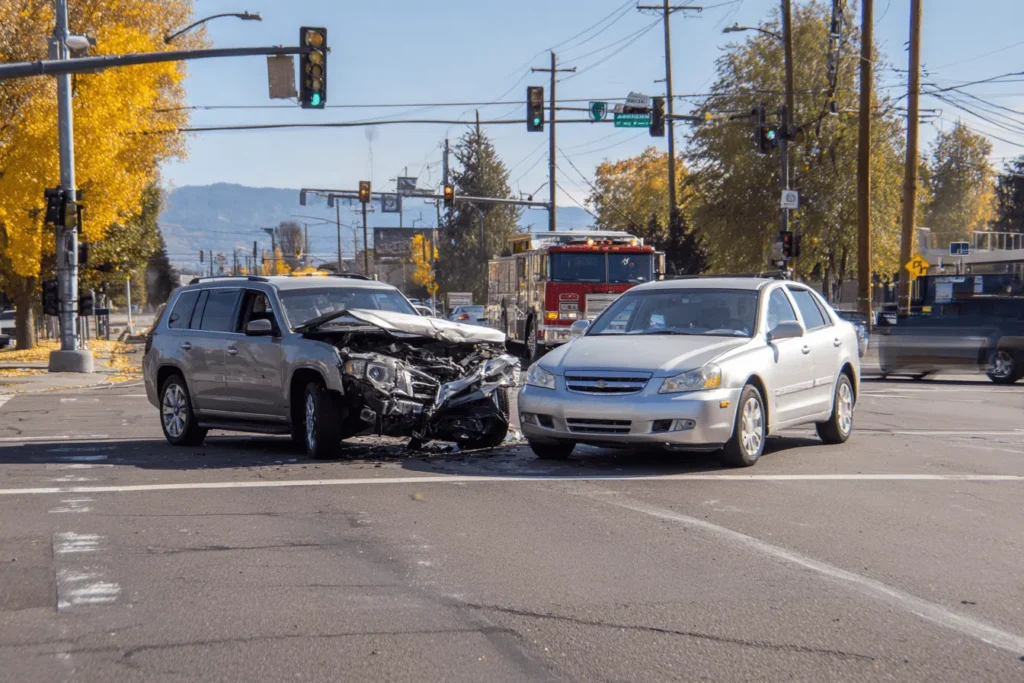
Car accidents happen every day on Lancaster’s roads, and the consequences can be severe. Crashes along Sierra Highway, Avenue K, and the Antelope Valley Freeway can result in whiplash, spinal injuries, broken bones, and traumatic brain injuries that disrupt your ability to work, care for your family, and cover the medical bills that follow.
When another driver’s negligence is responsible, victims are often left navigating a complicated insurance process while still in the middle of their recovery.
The challenge is that not all car accidents are the same, and the type of collision that caused your injuries can directly affect how fault is established and how compensation is pursued.
Rear-end crashes, T-bone collisions, and head-on impacts each carry different legal considerations, and insurance companies are quick to use that complexity to their advantage.
In this article, you will discover the most common types of car accidents in Lancaster, what causes them, and how a Lancaster car accident attorney can help you pursue the full and fair compensation you deserve.
What Are the Most Common Types of Car Accidents in Lancaster?
Lancaster sees thousands of crashes every year. Certain types happen more often than others on our local roads. Knowing what kind of crash you were in helps you understand who is at fault and what your legal options are.
Rear-End Collisions
A rear-end collision occurs when one car hits the back of another. This is the most frequent type of crash in Lancaster. These accidents happen most often during rush hour on Avenue K or when traffic suddenly stops on the Antelope Valley Freeway.
California Vehicle Code 21703 states that drivers must maintain a safe following distance. This means the driver in the back is usually at fault. Even at low speeds, these crashes can cause serious injuries.
The impact makes your head snap forward and back violently. This motion causes whiplash, herniated discs, and concussions. While the rear driver is typically responsible, there are exceptions when the front driver brake-checks or suddenly changes lanes without warning.
Left-Turn and Intersection T-Bone Crashes
A T-bone crash occurs when the front of one car hits the side of another. The impact creates a “T” shape. These crashes are common at Lancaster’s busy intersections when drivers misjudge oncoming traffic or run red lights.
California Vehicle Code 21801 requires left-turning drivers to yield to all approaching vehicles. Cars have very little protection on their sides, so these crashes cause severe injuries like broken ribs, pelvic fractures, and head trauma.
Sideswipe and Lane Change Crashes
A sideswipe collision happens when two cars traveling in the same direction make contact. This frequently occurs on multi-lane roads like Avenue I when drivers fail to check their blind spots before changing lanes.
The damage might look minor, but the force can make drivers lose control. Even without a major impact, people can suffer shoulder injuries from being jolted sideways or cuts from broken glass.
Head-On Collisions
Head-on collisions are Lancaster’s most dangerous crashes. They happen when two cars traveling in opposite directions crash head-on.
Common causes include wrong-way driving on Sierra Highway, unsafe passing on two-lane roads, or drifting across the centerline due to distraction or fatigue. The combined force often results in catastrophic injuries, including traumatic brain injuries, spinal cord damage, and death.
Parking Lot and Low-Speed Impacts
Even crashes under 10 miles per hour can cause real injuries that affect your daily life. These happen often in busy parking lots at Lancaster Marketplace or local grocery stores.
Common scenarios include backing out of parking spaces into other cars or hitting pedestrians in crosswalks. Soft tissue injuries from these crashes might not appear right away, but pain and stiffness can show up days later and require months of treatment.
Rollover and Single-Vehicle Crashes
A rollover is when a vehicle tips onto its side or roof. Lancaster’s open areas experience strong winds that can push taller vehicles, such as SUVs and trucks, off course, especially on curved freeway on-ramps.
A single-vehicle crash does not mean you have no legal claim. A defective tire, poorly maintained road, or another driver forcing you to swerve could be the real cause. These violent crashes often lead to head trauma, crushed limbs, and ejection from the vehicle.
Hit-and-Run and Uninsured Motorist Crashes
A hit-and-run crash is when the at-fault driver leaves the scene without stopping. These are common in Lancaster because many drivers lack insurance and fear being caught.
If you are hit by an uninsured driver or in a hit-and-run, your own Uninsured Motorist coverage can pay for your injuries. You must report hit-and-run crashes to police within 24 hours to use this coverage.
DUI and Drug-Impairment Crashes
Driving under the influence is a common cause of fatal crashes in Lancaster. Impairment includes alcohol, marijuana, prescription drugs, and illegal substances. These crashes happen most on weekends and holidays.
Impaired drivers often travel at high speeds with slow reaction times, causing severe injuries. You may be able to get punitive damages in these cases, which are extra money meant to punish the drunk driver.
Pedestrian and Bicycle Collisions
Lancaster’s wide streets and limited bike lanes create dangers for pedestrians and cyclists. Problem areas include Lancaster Boulevard and school zones.
California Vehicle Code 21950 requires drivers to yield to pedestrians in crosswalks, but many fail to do so. Even with helmets, pedestrians and cyclists have no protection against heavy vehicles. Common injuries include broken bones, severe road rash, and head trauma.
Why These Crashes Happen in Lancaster
Lancaster’s specific conditions and driving behaviors contribute to these common crash types:
- Speeding on SR-14 and Avenue K: Many drivers exceed 65 mph speed limits on freeways and major streets. At these speeds, you cannot stop in time for sudden traffic changes.
- Distracted Driving: Using a cell phone, adjusting the radio, or eating while driving takes your attention off the road. This causes most rear-end collisions and lane departure crashes.
- Failure to Yield: Drivers rushing through yellow lights or misjudging the speed of oncoming traffic cause serious T-bone crashes at intersections.
- Desert Conditions: Sudden dust storms reduce visibility to almost zero. Strong crosswinds push vehicles out of lanes, and glare from the sun during commute hours blinds drivers.
- Construction Zones: Road work creates confusing lane shifts and missing warning signs. Unsafe construction zones can make government entities responsible for crashes.
Where Do Crashes Happen Most in Lancaster?
Some Lancaster intersections are much more dangerous than others. You should use extra caution at these locations:
- Avenue K and 10th Street West: Multiple turn lanes and heavy shopping traffic create confusion, leading to rear-end crashes during evening rush hour.
- Avenue I and 30th Street West: Sun glare at sunset makes it hard to see oncoming cars when turning left.
- Lancaster Boulevard and Sierra Highway: Downtown pedestrian traffic mixes with through traffic, increasing the risk of hit-and-run incidents.
- Avenue J and 20th Street East: This school zone has many young pedestrians, making morning drop-off times especially dangerous.
- Avenue H and 15th Street West: Shopping center entrances cause unexpected stops and lane changes, leading to sideswipe accidents.
Common Injuries After These Crashes
Car crashes can cause injuries that may not be obvious right away. You should get medical attention on the same day as your accident, even if you feel fine.
- Whiplash and Neck Injuries: The sudden force stretches neck ligaments and muscles. Pain, stiffness, and headaches may not start until days after the crash.
- Traumatic Brain Injuries: Any blow to the head can cause concussions or severe brain injuries. Symptoms like confusion, memory loss, or persistent headaches need immediate medical care.
- Broken Bones and Fractures: People often break wrists and arms when bracing for impact. Seatbelts can also fracture ribs. These injuries usually require surgery and months of recovery.
- Internal Bleeding: Impact from steering wheels or seatbelts can damage organs without visible wounds. This life-threatening condition needs emergency treatment.
- Cuts and Scarring: Broken glass and twisted metal cause deep cuts that lead to permanent scars. Facial scars are especially devastating and may need expensive plastic surgery.
Who Is at Fault Under California Law?
California uses “pure comparative negligence” to determine fault. This means you can still get money for your injuries even if you were partly to blame. Your compensation is reduced by your percentage of fault.
Rear-End Presumptions and Exceptions
California law presumes the rear driver is at fault because every driver must maintain a safe following distance. However, exceptions exist if the front driver was negligent.
Examples include brake-checking, having broken brake lights, or making sudden lane changes. Dashcam footage often helps prove these exceptions.
Left-Turn Liability
Drivers making left turns are almost always at fault when they collide with oncoming traffic. Vehicle Code 21801 requires turning drivers to yield to all approaching vehicles.
The only way a turning driver might not be completely at fault is if the other driver was speeding excessively or ran a red light. Witness statements are crucial in these cases.
Shared Fault and Comparative Negligence
Insurance companies try to blame you as much as possible to pay less money. If your damages are $100,000, but they claim you were 30% at fault, they will only offer $70,000.
We fight to minimize your percentage of fault and maximize your compensation. Insurance adjusters often use unfair tactics to shift blame onto you.
Dangerous Roads and Government Claims
If a dangerous road condition caused your crash, the city or county may be responsible. Examples include deep potholes, missing stop signs, or poor road design.
Under Government Code 835, you can file claims against public entities for known hazards. You only have six months to file government claims, so quick action is essential.
Uninsured Motorist and Hit-and-Run Claims
Your own Uninsured/Underinsured Motorist coverage pays when the at-fault driver cannot. This requires you to have UM/UIM coverage on your policy.
You must report hit-and-run crashes to police within 24 hours to use this coverage. We help prove phantom vehicles caused your crash when the other driver fled.
What to Do After a Crash in Lancaster
The moments after a car accident are stressful and confusing. Taking these steps protects your health and legal rights:
Call 911 and Get Medical Care
Always call 911 to report crashes, even minor ones. This creates an official police report that helps your case later.
Accept medical attention from paramedics and get examined at a hospital or urgent care the same day. Tell medical providers about any pain or confusion you feel.
Preserve Photos, Video, and Witnesses
Use your phone to photograph the positions of vehicles, property damage, skid marks, and visible injuries. Get witness names and phone numbers before they leave the scene.
Save dashcam footage immediately if you have it. This evidence often disappears quickly, so act fast.
Avoid Recorded Statements
When insurance adjusters call asking for recorded statements, politely decline. Say, “I need to speak with my attorney first.”
These statements are used to find reasons to deny your claim or blame you for the accident. Let your lawyer handle all insurance communications.
Call Kuzyk Law Personal Injury & Car Accident Lawyer
We send investigators to preserve critical evidence before it disappears. Our Lancaster office on West Avenue K has served the Antelope Valley for over 50 years.
We handle cases on a contingency fee basis, so you pay nothing unless we win. This means you can get quality legal help without upfront costs.
Act Fast Because Deadlines Apply to Injury Claims
California limits how long you have to file lawsuits after car accidents. This is called the statute of limitations. Missing these deadlines means you lose your right to compensation forever.
Waiting hurts your case because surveillance video gets erased, and witnesses forget details. You need to speak with experienced Lancaster car accident lawyers quickly.
| Claim Type | Deadline | What Happens If Missed |
| Standard injury claim | 2 years from crash | Lose right to sue |
| Government entity claim | 6 months from crash | Cannot pursue claim |
| Property damage only | 3 years from crash | Cannot recover costs |
Frequently Asked Questions
Is a Rear-End Crash Always the Back Driver’s Fault in California?
Usually, yes, the rear driver is presumed at fault for failing to maintain a safe distance. Exceptions apply when the front driver was negligent, such as brake-checking or having broken brake lights.
What Lancaster Intersections See the Most Crashes?
Avenue K at 10th Street West, Avenue I at 30th Street West, Lancaster Boulevard at Sierra Highway, Avenue J at 20th Street East, and Avenue H at 15th Street West have the highest crash rates.
How Long Do I Have to File an Injury Claim in California?
You have 2 years from the date of the crash to file a personal injury lawsuit. Government entity claims must be filed within six months, making quick action essential.
What if the Other Driver Is Uninsured or Fled the Scene?
Your Uninsured Motorist coverage can pay for injuries if you have this protection. You must report hit-and-run crashes to police within 24 hours to use this coverage.
Should I Give a Recorded Statement to the Insurance Adjuster?
No, politely decline recorded statements until you speak with an attorney. Insurance adjusters use these statements to reduce or deny your claim.
Don’t Wait Because Your Rights Are at Risk
Evidence disappears, and legal deadlines start immediately after crashes. The sooner you act, the stronger your case becomes.
Kuzyk Law Personal Injury & Car Accident Lawyer represents injured Lancaster families. We have a long history of securing substantial recoveries for our clients. We have helped many clients recover compensation for their injuries. Our track record shows we get results when families need them most.
We handle the entire legal process so you can focus on getting better. From our West Avenue K office, we stand up to insurance companies that try to pay you less than you deserve. Our contingency fee structure means you pay no attorney fees unless we win your case.
Call us today at (661) 945-6969 or fill out our contact form for a free consultation. We are here when you need us most, and we will fight to protect your rights and get you the compensation you deserve.