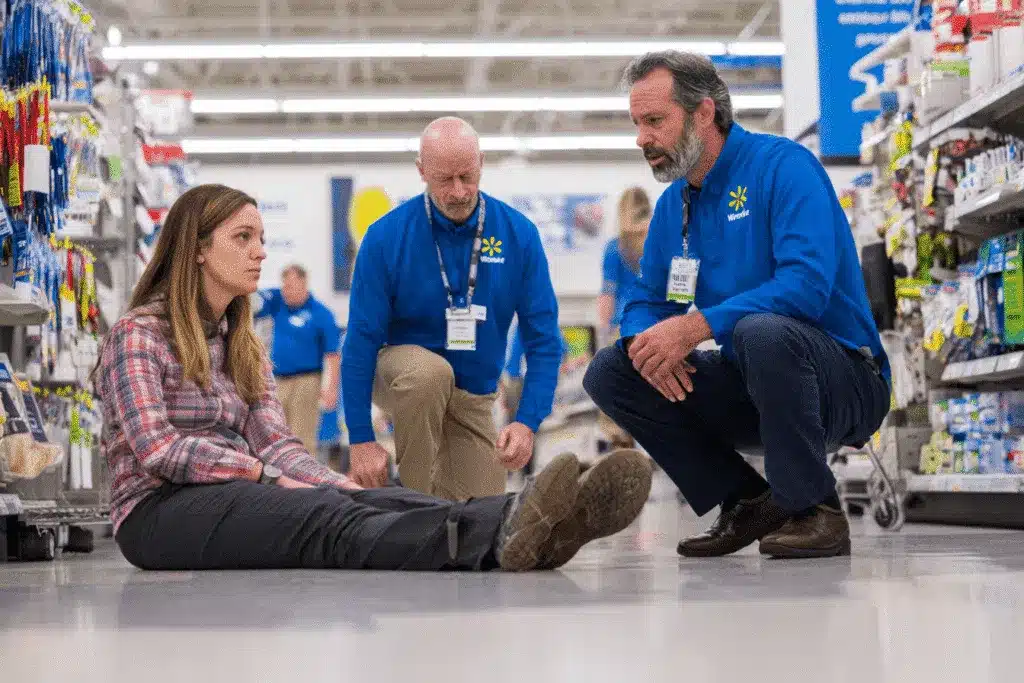
The most common slip and fall injuries in Fresno include broken wrists and arms, ankle and leg fractures, and head injuries like concussions. Many victims also suffer back and spinal injuries, sprains, and soft tissue damage. These injuries often require imaging, therapy, or surgery. Delayed treatment can worsen symptoms and weaken your injury claim.
Slip and fall accidents in Fresno can lead to injuries that impact your ability to work, care for yourself, and enjoy daily life. Many victims underestimate these accidents, assuming a fall is minor, only to later discover serious harm that requires medical treatment. Falls on wet floors, uneven sidewalks, or poorly maintained property surfaces can happen anywhere, from grocery stores to apartment complexes and public walkways.
The most common injuries in Fresno slip and fall cases include broken wrists and arms from trying to break the fall, ankle and leg fractures, sprains and strains, head injuries like concussions, and back or spinal trauma. These injuries often require doctor visits, imaging tests, physical therapy, or even surgery depending on their severity. Delayed treatment or lack of documentation can make it harder to prove the full extent of your harm.
In this article, you will discover the most common slip and fall injuries in Fresno and how a slip and fall lawyer in Fresno can help you pursue fair compensation for your losses.
What Should You Know About Common Slip and Fall Injuries in Fresno?
A slip and fall can seem minor in the moment, but the consequences are often more serious than they first appear. Adrenaline may mask pain, and some injuries—particularly head, neck, and soft tissue damage—can take hours or even days to fully develop. What starts as soreness can evolve into chronic pain, limited mobility, or long-term medical complications.
Falls are especially dangerous for older adults, but anyone can suffer lasting harm depending on how and where they land. The surface involved, lighting conditions, footwear, and pre-existing health factors all influence injury severity. In many cases, victims require diagnostic imaging, follow-up care, and physical therapy long after the incident.
Beyond the physical impact, these accidents often disrupt daily routines and employment. Missed work, mounting medical bills, and reduced physical capacity can create significant financial strain.
Understanding the potential seriousness of a fall helps you take symptoms seriously, seek timely medical care, and protect your rights if unsafe property conditions contributed to the accident.
Why Do Slip and Fall Injuries Often Cause Lasting Harm?
The physics of falling explains why these incidents are so damaging. When you fall, your body weight multiplied by gravity creates a significant force that concentrates on specific body parts.
This is especially dangerous for older adults, who are more likely to be hospitalized after a fall. Adrenaline and shock can mask serious injuries initially, making you think you’re fine when you’re not.
Delayed treatment can worsen outcomes and complicate legal claims. Here’s why falls cause lasting harm:
- Impact force: Your body weight multiplied by gravity creates significant trauma.
- Uncontrolled landing: Unlike planned movements, falls offer no preparation for impact.
- Multiple injuries: Often affect several body parts simultaneously.
- Age factors: Bone density and healing capacity decrease with age.
Understanding specific injury types helps you recognize when to seek immediate care.
What Are the Most Common Slip and Fall Injuries in Fresno?
These injuries range from minor to catastrophic, and we regularly see them in Fresno slip-and-fall cases. Each type requires specific medical attention and legal consideration.
Head and Brain Injuries After a Fall
A traumatic brain injury (TBI) is any injury that disrupts normal brain function. This means your brain doesn’t work properly after the injury, even temporarily.
A concussion is a milder form of TBI that can happen without hitting your head directly. The whiplash motion from a fall can cause your brain to hit the inside of your skull.
Symptoms may appear immediately or days later. These include headaches, dizziness, confusion, memory problems, or nausea.
You need a CT scan or an MRI even without visible wounds. Post-concussive syndrome can last months and affect your ability to work or enjoy life.
Spinal Injuries and Chronic Back Pain
Falls compress or twist the spine unnaturally, causing serious spinal damage. A herniated disc happens when the soft cushion between your vertebrae is forced out of place.
Compression fractures occur when vertebrae collapse under pressure. Radiculopathy means nerve pain that shoots down your arms or legs from spinal damage.
Red flag symptoms requiring immediate emergency care include:
- Numbness or tingling: In your arms, hands, legs, or feet.
- Loss of bowel or bladder control: A sign of serious spinal cord damage.
- Severe back pain: That doesn’t improve with rest.
- Weakness in limbs: Difficulty moving arms or legs normally.
X-rays may miss soft tissue damage, so MRIs are often needed for proper diagnosis.
Hip, Wrist, and Ankle Fractures
These are the most common fracture sites because people instinctively use their hands to break falls. Hip fractures typically happen when you land on your side.
Wrist fractures occur when you put your hands out to catch yourself. Ankle fractures happen when you land awkwardly or twist during a fall.
Treatment often requires surgery, hardware installation, and lengthy rehabilitation:
| Fracture Type | Typical Recovery Time | Common Complications |
| Hip Fracture | 3-6 months | Mobility loss, blood clots |
| Wrist Fracture | 6-8 weeks | Arthritis, reduced grip |
| Ankle Fracture | 6-12 weeks | Chronic instability |
Fractures in older adults may never fully heal to pre-injury strength.
Shoulder Tears and Knee Meniscus Injuries
Landing on outstretched arms can cause SLAP tears or rotator cuff injuries in your shoulder. A SLAP tear affects the labrum, which is cartilage that helps stabilize your shoulder joint.
Twisting falls can tear the meniscus in your knee. The meniscus is cartilage that cushions your knee joint and helps it move smoothly.
MRI arthrograms are often needed to diagnose these soft tissue injuries. Insurance companies frequently dispute these as “degenerative” conditions rather than accident-related injuries.
Proper documentation of how the fall occurred is crucial to proving that these injuries resulted from your accident.
Soft Tissue and Nerve Injuries
Soft tissue injuries include sprains, strains, and contusions. A sprain is a stretched or torn ligament, while a strain affects muscles or tendons.
Peripheral neuropathy means nerve damage that can cause numbness, tingling, or burning pain. Complex regional pain syndrome (CRPS) is chronic pain that’s often misunderstood by insurance companies.
These “invisible” injuries are often minimized by insurers because they don’t show up clearly on X-rays. Consistent medical documentation and pain journals become crucial evidence.
Lacerations, Scarring, and Disfigurement
Falls onto sharp edges or rough surfaces cause deep cuts that require stitches or surgery. Facial injuries have both physical and psychological impacts that can last a lifetime.
Deep lacerations may damage muscles, tendons, or nerves beneath the skin. Proper wound care is essential to minimize scarring and prevent infection.
Plastic surgery consultations are important for planning scar revision. Photographing injuries from multiple angles throughout healing helps document the severity and progression.
Permanent disfigurement, especially facial disfigurement, can significantly impact your quality of life and self-esteem.
What Symptoms Require Immediate Medical Care?
Some symptoms indicate medical emergencies that need immediate attention. Don’t wait to see if these symptoms improve on their own.
Call 911 or go to the emergency room immediately if you experience:
- Loss of consciousness: Even brief unconsciousness needs evaluation.
- Severe headache: Especially with vomiting or confusion.
- Difficulty breathing: May indicate rib fractures or internal injuries.
- Severe back pain: With numbness or bladder changes.
- Obvious deformity: Visible fractures or dislocations.
For less severe symptoms, urgent care or scheduling a doctor appointment may be appropriate. When in doubt, err on the side of caution and seek immediate care. Proper diagnosis creates crucial documentation for your legal case.
How Are Slip and Fall Injuries Diagnosed and Documented?
Doctors follow a typical pathway: physical exam, imaging tests, and specialist referrals. Each step builds a complete picture of your injuries.
Common diagnostic tests include:
- X-rays: Show fractures and bone alignment problems.
- CT scans: Provide detailed bone images and detect acute bleeding.
- MRIs: Essential for visualizing soft tissues such as discs and ligaments.
- EMG/NCS tests: Assess nerve damage and function.
Tell doctors exactly how the fall occurred for proper documentation. The “mechanism of injury” is crucial for connecting your accident to specific medical conditions.
Preserve evidence like incident reports, photos, and witness information. A Fresno slip and fall lawyer uses this medical documentation as key evidence in your case.
Consistent follow-up care and compliance with treatment recommendations strengthen your claim.
What Fresno Conditions Most Often Lead to These Injuries?
Fresno has unique hazards and high-traffic areas where slip-and-fall accidents are common. Knowing these locations helps you stay alert and provides context if you’re injured.
Stores, Restaurants, and Malls
High-traffic commercial areas like Fashion Fair Mall and River Park Shopping Center present numerous risks. These businesses see thousands of visitors daily, creating constant hazards.
Common hazards in these locations include:
- Wet floors: From spills, mopping, or leaking equipment.
- Cluttered aisles: Merchandise blocking walkways.
- Inadequate lighting: In stockrooms, parking areas, or restrooms.
- Loose floor mats: Those that bunch up or have torn edges.
- Torn carpeting: That creates tripping hazards.
Store owners have a legal duty to inspect regularly and maintain safe conditions. They must also warn customers about temporary hazards they can’t immediately fix.
Incident reports and surveillance footage become crucial evidence in these cases.
Apartments and Rental Properties
Under state law, landlords in California must maintain safe common areas. This includes hallways, stairs, parking areas, and recreational facilities.
Common hazards in Fresno rental properties include:
- Broken stairs: Missing or loose steps and handrails.
- Poor exterior lighting: Making it hard to see hazards at night.
- Uneven walkways: Cracked or settling concrete.
- Pooled water: From sprinkler systems or poor drainage.
The written maintenance requests you made before your fall serve as powerful evidence. They prove the landlord knew about the hazard but failed to fix it.
Slip and fall lawyers in Fresno can help you understand your rights as a tenant and pursue compensation from negligent landlords.
Sidewalks and Parking Lots
Liability for sidewalk accidents may lie with the property owner or the City of Fresno. Adjacent property owners are often responsible for maintaining the sidewalks in front of their buildings.
Common hazards include tree root uplift, large cracks, potholes, and uneven surfaces. Weather conditions, such as rain, can make these hazards even more dangerous.
Parking lot accidents often occur due to poor lighting, cracked asphalt, or inadequate snow and ice removal during the winter months.
Who May Be Liable for Your Slip and Fall Injuries?
Premises liability law holds property owners responsible for injuries caused by unsafe conditions on their property. This legal concept protects people who are lawfully on someone else’s property.
To win your case, you must prove four legal elements:
- Duty: The property owner had a responsibility to maintain safe conditions.
- Breach: They failed to fix or warn about hazards they knew about.
- Causation: The dangerous condition directly caused your fall and injuries.
- Damages: You suffered actual harm, such as medical bills and pain.
Potentially liable parties include business owners, homeowners, property management companies, or government entities. Each type of property owner has different legal responsibilities and insurance coverage.
A Fresno premises liability lawyer can identify the responsible party and their insurance coverage.
Sidewalks, Public Property, and the Six-Month Government Claim Deadline
Falls on public property require special legal procedures under California law. You must file a formal government claim before you can sue the city, county, or state.
The deadline is six months from the date of your injury. This is much shorter than the typical two-year deadline for private property accidents.
Missing this deadline bars your claim forever, even if you have a strong case. The government claim must include specific information about your accident and injuries.
After the government denies your claim, you have six months to file a lawsuit in court. This process is complex and requires experienced legal help.
Does Partial Fault Reduce Your Recovery in California?
California uses pure comparative negligence, which means you can recover compensation even if you were partially at fault. Your compensation is reduced by your percentage of fault.
For example, if you have $100,000 in damages but are 20% at fault, you receive $80,000. This system is fairer than states that bar recovery if you’re even slightly at fault.
Insurance companies try to increase your fault percentage to pay less. Common tactics include claiming you weren’t watching where you were going or that the hazard was “open and obvious.”
They might also blame your footwear or claim you were rushing. A slip-and-fall injury lawyer in Fresno fights these tactics with evidence and expert testimony.
Proper investigation and evidence gathering can minimize your fault percentage and maximize your recovery.
What Compensation Can You Recover for These Injuries?
You can recover two main types of damages: economic and non-economic. Understanding both helps you recognize the full value of your claim.
Economic damages are your measurable financial losses:
- Medical expenses: Emergency room, surgery, therapy, medications.
- Future medical care: Ongoing treatment and rehabilitation needs.
- Lost wages: Time missed from work due to your injuries.
- Lost earning capacity: If you can’t return to the same job.
Non-economic damages compensate for intangible losses:
- Pain and suffering: Physical pain you’ve endured and will endure.
- Emotional distress: Anxiety, depression, and trauma from the accident.
- Loss of enjoyment: Activities you can no longer participate in.
- Disfigurement: Permanent scarring or physical changes.
For serious injuries, we work with medical experts, economists, and life care planners to calculate lifetime costs. This comprehensive approach has helped us secure numerous successful verdicts and settlements.
What Steps Should You Take After a Fall?
Your actions immediately after a fall can protect both your health and legal rights. Even if you feel okay initially, follow these steps to protect yourself.
Immediate Actions
Take these steps at the scene if you’re able:
- Stay still and assess injuries before moving.
- Ask someone to call 911 if you’re seriously hurt.
- Report the incident to the manager or property owner immediately.
- Take photos of the hazard and your injuries.
- Get witness information, including names and phone numbers.
- Request a copy of the incident report.
Don’t let anyone pressure you to say you’re fine if you’re not sure. Adrenaline can mask serious injuries.
Medical and Documentation Steps
Continue protecting yourself with these steps:
- Seek medical care the same day, even if you feel okay.
- Tell doctors exactly how you fell and what you hit.
- Follow all treatment recommendations and attend follow-up appointments.
- Keep detailed records of symptoms and limitations.
- Save all medical bills and receipts in an organized file.
- Don’t give recorded statements to insurance companies.
Medical documentation from the day of your accident is crucial evidence. Delays in treatment give insurance companies ammunition to dispute your injuries.
Evidence and Legal Protection
Protect your legal rights with these final steps:
- Preserve shoes and clothing worn during the fall.
- Request preservation of surveillance footage through an attorney.
- Document ongoing symptoms in a daily journal.
- Contact the best slip and fall attorney in Fresno before accepting any settlement.
Evidence disappears quickly, so prompt action is essential. An experienced attorney can send preservation letters to protect crucial evidence.
What Deadlines Apply to Fresno Slip and Fall Injury Claims?
In California, you have two years from the injury date to file a personal injury lawsuit. This might seem like plenty of time, but evidence disappears much faster.
Surveillance footage can be overwritten or deleted after a short period, so request preservation promptly. Witnesses forget details or become harder to locate. Hazards get repaired, destroying proof of the dangerous condition.
The six-month government claim requirement is even more critical. Missing this deadline forever bars claims against cities, counties, or the state.
Insurance companies know these deadlines and may delay settlement negotiations, hoping you’ll miss them. Contacting a Fresno slip-and-fall attorney promptly protects your rights.
Early legal involvement also means faster evidence preservation and witness interviews while memories are fresh.
Why Contact a Fresno Slip and Fall Injury Lawyer Now?
Insurance companies routinely take advantage of unrepresented victims by offering quick, inadequate settlements. They know you’re worried about medical bills and may accept less than you deserve.
An experienced lawyer levels the playing field by:
- Investigating while the evidence is fresh: Preserving video footage and witness statements.
- Handling all insurance communications: Protecting you from recorded statements that hurt your case.
- Coordinating with doctors: Ensuring proper documentation of your injuries.
- Calculating full value: Including future medical needs and lost earning capacity.
- Negotiating from strength: Using evidence and legal expertise to demand fair compensation.
Our local Fresno knowledge and bilingual support help us serve our community effectively. We work on a contingency basis, meaning you pay nothing unless we win your case.
The best slip and fall lawyer in Fresno will fight for maximum compensation while you focus on healing.
How Much Is Your Slip and Fall Case Worth?
Every case is unique, and the value depends on several factors. The severity of your injuries is the biggest factor, but other factors include medical costs, lost income, and the impact on your daily life.
Age also matters because younger victims typically have longer life expectancies and earning potential. The strength of the evidence and clarity of liability affect settlement negotiations.
We provide honest evaluations during free consultations with no obligation. Our team is available 24/7 to discuss your case and help you understand your rights.
Don’t let insurance companies convince you to accept less than you deserve. Our client testimonials, verdicts, and settlements demonstrate our commitment to fighting for fair compensation.
Fresno Slip and Fall Injury Frequently Asked Questions
Can I Get a Concussion Without Hitting My Head Directly?
Yes, the rapid acceleration and deceleration from a fall can cause your brain to strike the inside of your skull. This whiplash effect can result in a concussion even without direct head impact, so seek medical evaluation for any head injury symptoms.
What Should I Do if My Pain Gets Worse Days After the Fall?
Delayed pain is very common because adrenaline masks injuries and inflammation takes time to develop. Seek medical care immediately when you notice worsening symptoms and document when they started, as this information helps connect them to your accident.
Who Pays My Medical Bills While My Case Is Pending?
Your health insurance, MedPay coverage on auto policies, or workers’ compensation may cover immediate bills. An attorney can also help you obtain treatment on a lien basis, where medical providers agree to be paid from your settlement, and can negotiate these liens to maximize your recovery.
Contact Kuzyk Personal Injury & Car Accidents Lawyers Today
Slip and fall injuries can change your life in an instant, but you don’t have to face the consequences alone. Quick action protects your health and preserves your legal rights to fair compensation.
Kuzyk Personal Injury & Car Accidents Lawyers provides free consultations 24/7 to help you understand your options. We work on a contingency basis, so you pay nothing unless we win your case.
Contact us today to learn how we can help you get the compensation you need to move forward with your life.