Injured in a T-bone collision in Lancaster? Contact the top Lancaster t-bone accident lawyer to seek compensation and justice.
T-bone crashes occur in an instant, but the consequences can last for years. These violent side-impact collisions often happen at busy Lancaster intersections, where limited protection between you and the striking vehicle, especially for motorcyclists, can lead to severe injuries. Victims frequently require extensive medical care, lengthy rehabilitation, and time away from work, creating significant physical, emotional, and financial strain.
At Kuzyk Personal Injury & Car Accident Lawyers, our car accident attorneys understand the challenges that come with proving fault in intersection collisions. Insurance companies often dispute liability in T-bone accidents, leaving you battling mounting bills while trying to recover. Our Lancaster T-bone accident lawyers know the area’s most dangerous intersections, understand California right-of-way laws, and have the resources to build strong, evidence-based claims—even in complex cases involving trucks or commercial vehicles.
Contact us today for a free consultation and discover how we can help you seek the compensation and justice you deserve.
What Is a T-Bone Accident?
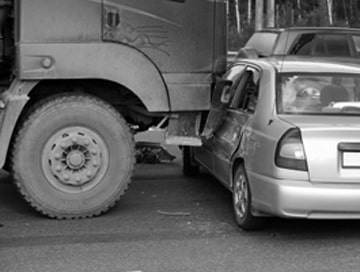
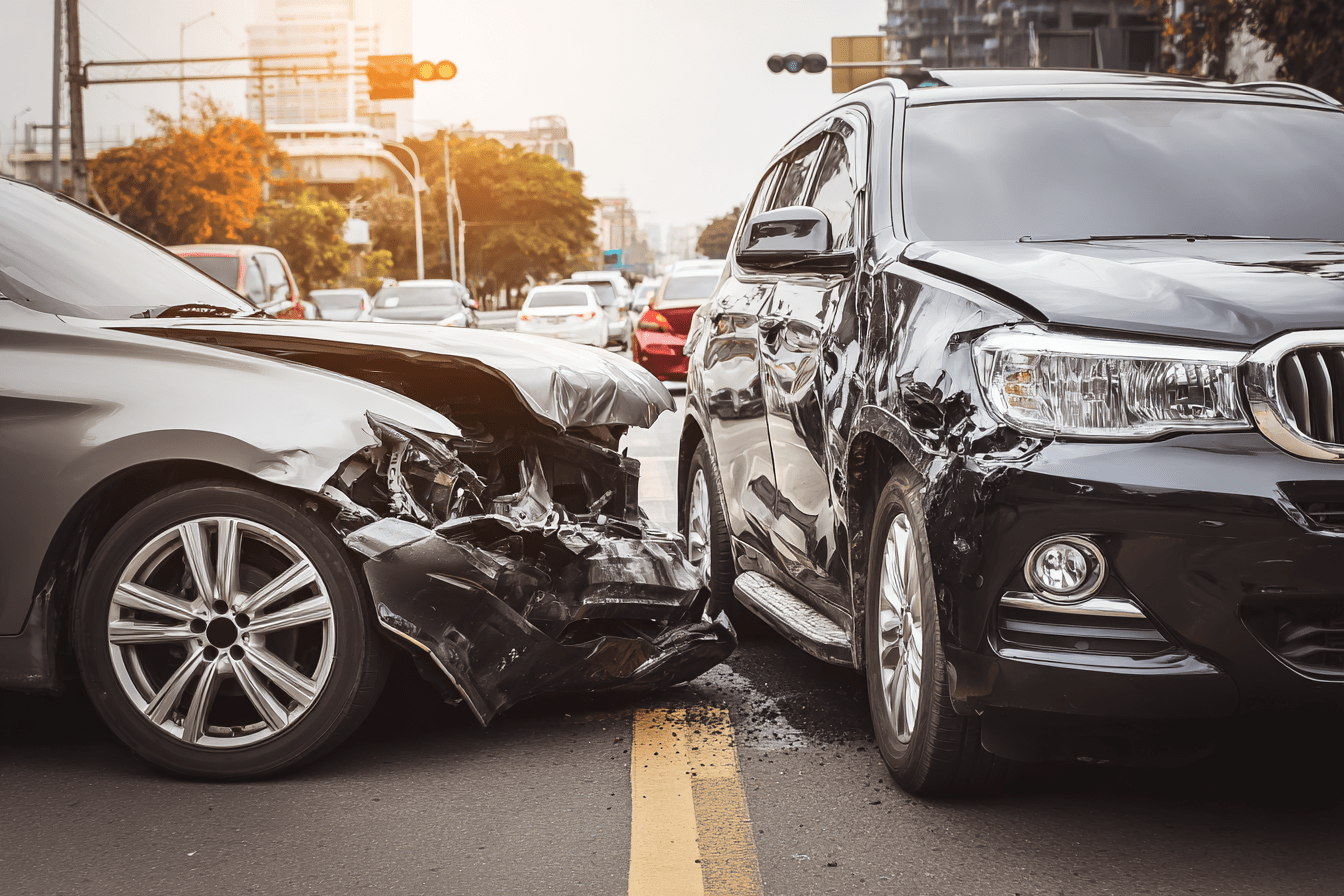
A T-bone accident occurs when the front of one vehicle collides directly with the side of another. This creates a “T” shape at the point of impact, which is why these collisions are also called broadside or side-impact crashes.
The sides of a vehicle offer minimal protection compared to the front or rear, making side-impact accidents particularly dangerous.
Many T-bone crashes happen at busy Lancaster intersections where drivers fail to yield the right-of-way.
Common locations include Sierra Highway and Avenue J, 10th Street West and Avenue K, and other high-traffic areas throughout the Antelope Valley. The force of impact often causes severe injuries because there’s little between you and the striking vehicle except a door panel.
How We Help After a Lancaster T-Bone Crash
After the shock and trauma of a T-bone crash, you face injuries, vehicle damage, and overwhelming confusion. A Lancaster T-bone accident lawyer from Kuzyk Personal Injury & Car Accident Lawyers manages the entire legal process while you focus on recovery. Our team handles insurance negotiations, evidence collection, and legal filings so you don’t have to deal with aggressive adjusters or complex paperwork.
We’re available 24/7 and offer services in both English and Spanish to support you when you need it most. Our decades of experience in Lancaster intersection accidents mean we know how to build strong cases and secure maximum compensation. You pay nothing unless we win your case.
Who Is at Fault in a T-Bone Accident?
Determining fault in a T-bone accident depends on which driver violated traffic laws or failed to exercise reasonable care. While one driver often bears primary responsibility, California’s pure comparative negligence system means both parties can share fault. The driver with the legal right-of-way is typically not at fault, but exceptions apply.
Traffic signal status at the time of impact is critical to fault determination. Police reports, witness statements, and traffic camera footage help establish who had the green light or stop sign. Even if you made a mistake, you can still recover compensation if the other driver was more negligent.
How Traffic Signals and Right-of-Way Impact Liability
California Vehicle Code establishes clear rules about who has the right-of-way at intersections. These laws determine fault in most T-bone accidents and provide the legal foundation for your compensation claim.
Left-Turn Collisions
California Vehicle Code Section 21801 requires drivers making left turns to yield to oncoming traffic. This means that if you turn left and are struck by an oncoming vehicle, you’re typically at fault. However, exceptions exist if the oncoming driver was speeding excessively or ran a red light.
The timing of traffic signals is critical in left-turn situations. A protected green arrow gives turning drivers the right-of-way, while a standard green light requires yielding to oncoming traffic. We examine signal timing records and witness accounts to determine the exact traffic control situation.
Red Light and Stop Sign Crashes
Running red lights or stop signs violates California Vehicle Code Sections 21453 and 21802. Drivers who ignore these traffic controls and cause T-bone accidents bear primary responsibility for resulting injuries and damages, including wrongful death in fatal collisions. Red light cameras and intersection monitoring systems often provide clear evidence of violations.
Stop sign violations require proving that the at-fault driver failed to come to a complete stop. Rolling stops or “California stops” don’t satisfy legal requirements and can establish negligence in T-bone crashes.
Uncontrolled Intersections
At intersections without traffic signals or signs, right-of-way rules still apply. The first vehicle to reach the intersection has the right-of-way. When two cars arrive simultaneously, the driver on the left must yield to the driver on the right.
These situations require careful analysis of vehicle positions, speeds, and driver actions. Skid marks, vehicle damage patterns, and witness testimony help reconstruct what happened.
Signal Malfunctions and Government Liability
Malfunctioning traffic signals can contribute to T-bone accidents by creating confusion about right-of-way. If a government entity failed to maintain traffic control devices properly, it might share liability for your crash. However, California’s Government Claims Act imposes strict deadlines and special procedures for claims against government agencies.
You have only six months to file a formal claim against a government entity under California’s Government Claims Act. Missing this deadline may preclude you from seeking compensation from the responsible agency.
What Evidence Proves a T-Bone Collision Claim?
A strong T-bone case requires quickly gathering critical evidence to prove fault before it disappears.
Official and Eyewitness Accounts
The case begins with the Police Report, providing the officer’s official record of the scene and any citations issued. Equally vital are independent witness statements, which offer objective third-party perspectives crucial for establishing who ran the red light or failed to yield.
Technical and Visual Proof
We immediately work to secure Traffic Camera footage and check nearby surveillance, as this video evidence is often undeniable proof of signal status and vehicle movement. We also analyze the Event Data Recorder (EDR), or “black box,” from the at-fault vehicle, which captures pre-crash data on speed and braking to substantiate driver actions.
Physical and Medical Analysis
An accident reconstruction expert analyzes physical evidence. They interpret Vehicle Damage Patterns and Skid Marks to determine impact dynamics. Finally, thorough Medical Records are secured to definitively link your injuries to the forces involved in the T-bone collision, ensuring your damages are fully documented.
Is fault being disputed in your T-bone crash? Contact us today to ensure all critical electronic and physical evidence is immediately secured for your claim.
What Are Common Injuries in Side-Impact Crashes?
T-bone accidents result in distinctive injury patterns due to direct side impact and limited protection. The violent forces involved often result in serious, life-changing injuries that require extensive medical treatment and rehabilitation.
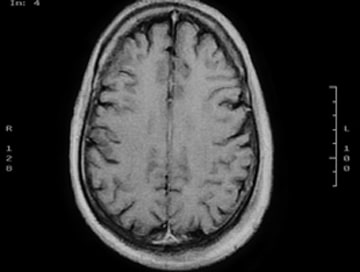
Head and brain injuries occur frequently when occupants strike side windows or door frames. Concussions, traumatic brain injuries, and skull fractures can have lasting effects on cognitive function and quality of life. Even seemingly minor head impacts can cause severe internal brain damage.
Neck and spinal injuries result from the sudden lateral forces in side-impact crashes. Whiplash, herniated discs, and spinal fractures are common, potentially causing chronic pain and mobility limitations. Severe spinal cord injuries can result in partial or complete paralysis.
Torso injuries happen when the striking vehicle intrudes into the passenger compartment. Broken ribs, internal organ damage, and pelvic fractures require immediate medical attention and often surgical intervention. These injuries can be life-threatening and may not be immediately apparent after the crash.
What Compensation Can You Recover After a T-Bone Crash?
If you were in a T-bone accident in California, you can get money for all of your losses caused by the other driver’s carelessness. The damages are divided into three main groups.
Economic Damages
These damages include all the money you lost, as shown by bills and records. They include medical bills (for past and future treatment, surgery, and rehabilitation), lost wages, payment for lower future income if you can’t go back to your old job, and damage to your car.
Non-Economic Damages
These damages cover the effects of your injuries on people other than you. They include physical pain and suffering, emotional distress (like anxiety and depression), and loss of enjoyment of life when injuries stop you from doing things you used to enjoy. Also included is payment for scars and disfigurement.
Punitive Damages
Punitive damages may be awarded to punish a driver who caused the accident for egregious conduct, such as driving while intoxicated or being highly careless, and to deter others from doing the same.
What to Do After a T-Bone Crash in Lancaster
Taking the proper steps immediately after a T-bone accident protects your health and preserves your legal rights. Your actions in the first hours and days following the crash can significantly impact your ability to recover fair compensation.
Call 911 immediately, even if injuries seem minor. Police documentation and emergency medical evaluation are crucial for your case. Some injuries, particularly internal injuries and concussions, may not be immediately apparent but can be life-threatening.
Seek comprehensive medical attention as soon as possible. Follow all treatment recommendations and attend follow-up appointments. Insurance companies can use gaps in medical care to argue that your injuries weren’t serious or weren’t caused by the accident.
Document the accident scene if you’re physically able. Take photos of vehicle damage, the intersection, traffic signals, and any visible injuries. Collect contact information from witnesses and the other driver. Avoid discussing fault or making statements about what happened.
Contact Kuzyk Personal Injury & Car Accident Lawyers before speaking with any insurance companies. Insurance adjusters often try to obtain recorded statements that can be used against you later. We handle all communication with insurers to protect your interests.
How California Comparative Fault Affects T-Bone Claims
Many accident victims worry they can’t recover compensation if they contributed to the crash. California’s pure comparative negligence system allows you to pursue damages even if you were partially at fault. Your percentage of responsibility reduces your compensation, but you can still recover substantial damages.
For example, if you were found 20% at fault for failing to see an oncoming vehicle while turning left, you could still recover 80% of your total damages. Even if you were 90% at fault, you could still recover 10% of your damages under California law.
Insurance companies often try to shift blame to minimize their payouts. They might argue you were speeding, distracted, or failed to exercise reasonable care. Our investigation focuses on establishing the other driver’s greater negligence to minimize your percentage of fault.
Passengers in T-bone accidents typically bear no fault for the crash and can pursue full compensation from all negligent drivers. Multiple insurance policies may be available to cover passenger injuries when both drivers contributed to the accident.
How Long Do You Have to File a T-Bone Accident Lawsuit in California?
California’s statute of limitations gives you two years from the date of the accident to file a personal injury lawsuit. This deadline is strictly enforced, and missing it typically precludes you from seeking compensation through the court system. However, settlement negotiations can continue even after this deadline passes.
Certain circumstances can extend or pause the statute of limitations. If you were mentally incapacitated due to your injuries or if the at-fault driver left the state, different rules might apply. Consulting with a Lancaster T-bone accident attorney ensures you understand all applicable deadlines.
How We Build Your T-Bone Case
Our systematic approach to T-bone accident cases maximizes your chances of recovering full compensation. We combine thorough investigation, expert analysis, and aggressive advocacy to build the strongest possible case.
Accident Reconstruction
Our accident reconstruction experts analyze physical evidence to determine exactly how your crash occurred. They examine vehicle damage patterns, debris fields, skid marks, and impact forces to create a detailed picture of the collision. Computer simulations and engineering analysis support their conclusions about fault and causation.
Medical Expert Support
We work with medical professionals who specialize in accident-related injuries to document the full extent of your damages. These experts review your medical records, examine your injuries, and provide opinions about your prognosis and future medical needs.
Economic Analysis
Calculating your future damages requires expert economic analysis, particularly for serious injuries that affect your ability to work. Economic experts evaluate your lost earning capacity, future medical costs, and other long-term financial impacts.
Lancaster T-Bone Accident FAQs
Who Is Usually at Fault in a T-bone collision at a Lancaster Intersection?
The driver who violates right-of-way rules typically bears primary fault for T-bone accidents. This often includes drivers who run red lights, fail to yield when turning left, or ignore stop signs. However, California’s comparative negligence laws mean both drivers can share fault based on their specific actions and the circumstances of the crash.
How Much Can I Recover for My T-Bone Accident Injuries in Lancaster?
There’s no standard settlement amount for T-bone accidents because every case involves unique factors. Your compensation depends on the severity of your injuries, your medical expenses, lost income, pain and suffering, and available insurance coverage. Serious injuries in T-bone crashes often result in substantial settlements due to the significant forces involved and potential for life-changing injuries.
What Should I Do if the Other Driver’s Insurance Company Contacts Me After My T-Bone Accident?
Don’t provide any statements or sign any documents without first consulting a Lancaster T-bone accident attorney. Insurance adjusters often contact accident victims promptly to obtain recorded statements that can later be used to minimize claims. Politely decline to discuss the accident and refer them to your attorney once you’ve hired legal representation.
Contact a Lancaster T-Bone Accident Lawyer Today
Don’t let insurance companies determine your future after a serious T-bone collision. The experienced legal team at Kuzyk Personal Injury & Car Accident Lawyers fights for the justice and compensation you deserve while you focus on recovery.
We handle every aspect of your case, from investigating the accident to negotiating with insurance companies to representing you in court if necessary. Our proven track record of success and commitment to client service make us the right choice for your T-bone accident case.
Schedule your free consultation today to learn how we can help you recover maximum compensation for your injuries and losses. You pay nothing unless we win your case, and we’re available 24/7 to answer your questions and provide the support you need during this difficult time.