A swimming pool should be a place of relaxation and enjoyment, but unsafe conditions can lead to devastating injuries that change lives forever. From near-drownings and traumatic brain injuries to broken bones and spinal damage, pool accidents often result in personal injuries requiring overwhelming medical expenses, extended rehabilitation, and profound emotional trauma for victims and their families.
Pool accident cases in Lancaster involve complex California safety regulations, multiple potentially liable parties, and aggressive insurance companies that work to minimize your claim. Property owners, maintenance companies, and equipment manufacturers each have specific legal obligations that, when violated, can form the basis of a premises liability claim.
At Kuzyk Personal Injury & Car Accident Lawyers, our attorneys have spent decades representing pool accident victims throughout Lancaster and the Antelope Valley. We understand both the immediate medical crisis you face and the long-term financial impact these injuries create.
Swimming pool accidents can turn a fun day into a nightmare. You may be dealing with serious injuries, mounting medical bills, and insurance companies that want to pay as little as possible. Our team handles every aspect of your case while you focus on recovery, working to secure maximum compensation for your medical treatment, lost income, and the pain you’ve endured.
When Do You Need a Lancaster Swimming Pool Accident Lawyer?
Pool accidents happen fast, but the legal process moves slowly. Just like truck accidents, pool accident evidence can disappear quickly, making immediate action crucial for your claim’s success.
You should contact a lawyer right away if your accident involved:
- Drowning or near-drowning
- Slip and fall injuries
- Equipment failures
Even seemingly minor injuries can become serious complications later.
Our team works on a contingency fee basis, which means you pay nothing unless we win your case. Contact us to discuss your situation and learn about your legal options.
What Makes Pool Accident Cases Different?
Swimming pool accidents involve complex liability issues that other personal injury cases don’t have. Multiple parties may be responsible for your injuries, including property owners, maintenance companies, and equipment manufacturers.
California has strict pool safety laws that property owners must follow. When they fail to meet these requirements, they can be held liable for the injuries that result.
Pool accident cases also involve unique evidence, such as maintenance records, chemical logs, and surveillance footage. This evidence can disappear quickly if it’s not preserved properly, which makes early legal intervention essential.
Who Can Be Held Liable for Pool Accidents?
Determining fault in pool accidents requires investigating several potential defendants. While the property owner is often the primary target, others may share responsibility.
Property Owners and Their Responsibilities
Property owners have a legal duty to keep their pools reasonably safe for visitors. This duty applies to private homeowners, apartment complexes, hotels, and public facilities.
Owners must maintain proper fencing, ensure equipment works correctly, and keep the pool area free from hazards. They also need to follow all local and state safety codes.
Pool Maintenance Companies
Many property owners hire companies to maintain their pools. These companies can be liable if they fail to properly maintain equipment, balance chemicals, or identify safety hazards.
Maintenance companies are expected to keep detailed records of their work. These records become crucial evidence in determining whether they met their professional standards.
Equipment Manufacturers
Sometimes pool accidents result from defective equipment like drain covers, pumps, or electrical systems. When equipment fails due to design or manufacturing defects, the manufacturer can be held responsible.
Product liability claims against manufacturers often involve complex technical evidence. Our team works with experts to prove when equipment defects caused your accident.
Common Types of Pool Accidents in Lancaster
Pool accidents occur in many ways, but certain types are more frequent than others. Understanding these common accident types helps identify who may be at fault.
Drowning and Near-Drowning Incidents
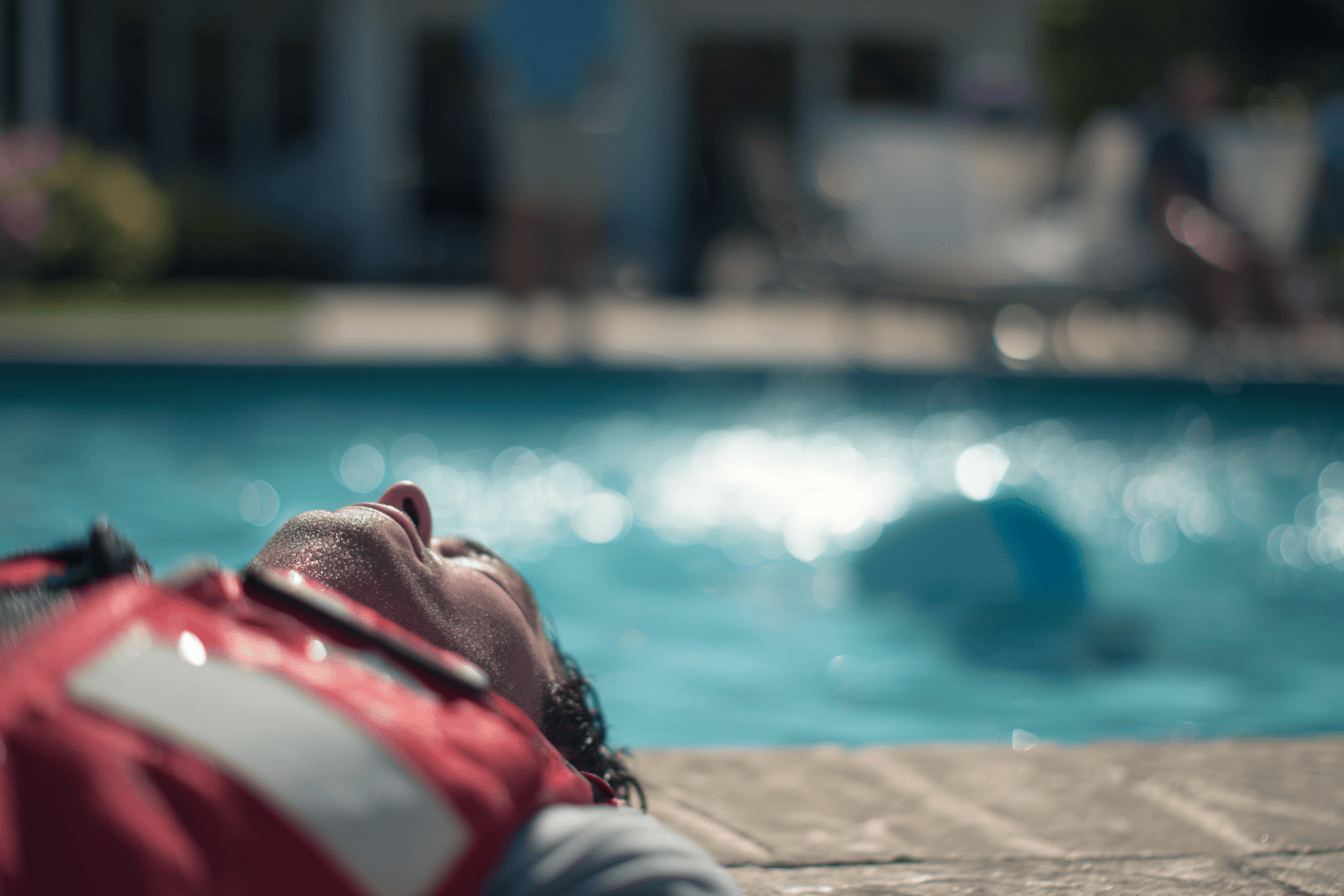
Drowning remains the most serious type of pool accident. These incidents often result from inadequate supervision, faulty safety equipment, or pool design problems.
Near-drowning cases can cause permanent brain damage even when the victim survives. The medical costs and long-term care needs in these cases can be enormous.
Slip and Fall Injuries
Pool decks become extremely slippery when wet. Property owners must use appropriate materials and maintain proper drainage to prevent falls.
Common slip and fall injuries include:
- Broken bones: Hip fractures and wrist breaks are common when people fall on hard surfaces.
- Head injuries: Hitting your head on concrete can cause traumatic brain injuries.
- Spinal injuries: Falls can damage your spine, potentially causing paralysis.
Diving Accidents
Diving into shallow water causes many serious spinal cord injuries. Pools must have proper depth markings and warning signs to prevent these accidents.
Diving board accidents often result from improper installation or poor maintenance. The diving board must be positioned correctly over adequate water depth.
Chemical Burns and Poisoning
Pool chemicals are dangerous when not handled properly. Over chlorination can cause severe burns to your skin, eyes, and respiratory system.
Chemical storage areas must be secure and properly ventilated. Pool operators need proper training to handle these hazardous materials safely.
Drain Entrapment
Pool drains create a powerful suction that can trap swimmers underwater. Federal law requires specific drain covers and safety systems to prevent these accidents.
Entrapment accidents often cause drowning or serious internal injuries. These cases frequently involve product liability claims against equipment manufacturers.
California Pool Safety Laws
California has comprehensive laws governing pool safety. These laws set minimum standards that property owners must follow to protect swimmers.
Residential Pool Requirements
Private pools should be enclosed by a continuous, secure barrier with self-closing, self-latching gates to help prevent unsupervised access. Gates must be self-closing and self-latching with latches positioned out of reach of small children.
Pool covers and alarms can provide additional protection, but they don’t replace the need for proper fencing. Many cities have additional requirements beyond state minimums.
Commercial and Public Pool Rules
Public pools face stricter requirements than residential facilities. They need higher fences, advanced safety equipment, and trained lifeguards in many situations.
Commercial pools must comply with health department regulations for water quality, chemical handling, and facility maintenance. Regular inspections ensure compliance with these rules.
Drain Safety Requirements
All pools must comply with the Virginia Graeme Baker Pool and Spa Safety Act. This federal law requires anti-entrapment drain covers and secondary safety systems to prevent entrapment.
Pools with a single main drain must have additional safety features, such as automatic pump shutoffs. These systems can prevent entrapment accidents when properly maintained.
What Evidence Strengthens Your Pool Accident Claim?
Building a strong pool accident case requires gathering evidence quickly before it disappears. The type of evidence needed depends on what caused your accident.
Scene Documentation
Photographs of the accident scene provide crucial evidence about dangerous conditions. You should document the entire pool area, including any hazards that contributed to your accident.
Important details to photograph include:
- Pool deck conditions and any slippery areas
- Fence and gate conditions
- Warning signs or lack of proper signage
- Equipment problems or maintenance issues
- Water clarity and chemical test results
Maintenance and Inspection Records
Pool maintenance records show whether the facility was properly maintained. These records include chemical logs, equipment inspection reports, and repair histories.
Many facilities try to hide poor maintenance records after accidents occur. Getting these documents quickly helps prevent important evidence from disappearing.
Witness Statements
Eyewitness accounts help establish what happened during your accident. Witnesses can describe dangerous conditions, inadequate supervision, or equipment failures they observed.
Getting witness contact information immediately is important because people’s memories fade over time. Professional investigators can help locate and interview witnesses effectively.
Medical Documentation
Complete medical records document the extent of your injuries and connect them to the pool accident. Seek medical attention right away, even if your injuries seem minor initially.
Keep all medical bills, treatment records, and doctor’s notes related to your injuries. These documents prove your damages and help calculate fair compensation.
Damages You Can Recover After a Pool Accident
Pool accidents often cause severe injuries that require extensive medical treatment and rehabilitation. California law allows you to recover compensation for all losses caused by someone else’s negligence.
Medical Expenses
You can recover compensation for all medical costs related to your pool accident injuries. This includes emergency room treatment, hospital stays, surgery, and ongoing rehabilitation.
Future medical expenses may also be recoverable when injuries require long-term care. Medical experts help calculate these future costs based on your specific injuries and treatment needs.
Lost Income and Earning Capacity
Pool accidents often prevent victims from working while they recover from their injuries. You can recover compensation for wages lost during your recovery period.
Severe injuries can permanently affect your ability to earn income. Vocational experts help calculate how much earning capacity you’ve lost due to your injuries.
Pain and Suffering
Physical pain and emotional distress from pool accidents deserve compensation beyond just medical bills and lost wages. These damages recognize the human impact of your injuries.
Pain and suffering compensation varies based on injury severity, recovery time, and how the accident affects your daily life. Our team knows how to properly value these damages.
Wrongful Death Damages
When pool accidents result in death, family members can pursue wrongful death claims. These claims help families recover compensation for their devastating losses.
Wrongful death damages include funeral expenses, lost financial support, and loss of companionship. Each case is unique, and damages depend on the victim’s age, income, and family relationships.
How Comparative Negligence Affects Pool Accident Claims
California uses comparative negligence rules in personal injury cases. This means your compensation can be reduced if you’re partially at fault for your own accident.
Insurance companies often claim you contributed to your own injuries to reduce settlement amounts. They might argue you were intoxicated, ignored warning signs, or engaged in horseplay.
Our attorneys fight these unfair blame tactics by thoroughly investigating what really caused your accident. We work to minimize any fault assigned to you and maximize your compensation.
Special Considerations for Child Pool Accidents
Children face unique risks around swimming pools due to their natural curiosity and inability to understand danger. California law no longer applies the attractive nuisance doctrine, but property owners still have a duty to protect children, even if they trespass.
Premises Liability for Child Injuries
Instead of the attractive nuisance doctrine, California uses general premises liability rules. Property owners must take reasonable steps to prevent harm to children from hazardous features like swimming pools.
This means extra precautions, such as fencing, locked gates, and warning signs are especially important when children are likely to be nearby.
Supervision Requirements
Adult supervision requirements vary depending on the type of pool facility. Public pools often require trained lifeguards, while private pools rely on parental supervision.
Claims involving inadequate supervision focus on whether reasonable adults would have prevented the accident. These cases examine staffing levels, training, and attention to safety protocols.
Why Pool Accident Cases Require Immediate Action
Pool accident cases have shorter deadlines than many people realize. Evidence disappears quickly, and legal deadlines can bar your claim if you wait too long.
Evidence Preservation
Pool facilities often clean up accident scenes immediately, destroying crucial evidence. Surveillance footage gets recorded over, and witnesses forget important details.
We send preservation notices to facilities immediately after accidents occur. These legal notices require facilities to preserve evidence that might otherwise be destroyed.
Statute of Limitations
California gives you two years to file pool accident lawsuits against private parties. Claims against government entities have much shorter deadlines, sometimes as little as six months.
Missing these deadlines can permanently bar your claim, no matter how strong your case might be. Early legal consultation protects your rights and ensures deadlines are met.
How We Handle Pool Accident Insurance Claims
Insurance companies use many tactics to minimize pool accident settlements. They may question the severity of your injuries, blame you for the accident, or pressure you to accept quick settlements.
Our attorneys handle all insurance communications to protect your interests. We investigate your accident thoroughly, document your injuries completely, and negotiate aggressively for fair compensation.
We’re prepared to take your case to trial if insurance companies refuse to offer reasonable settlements. This willingness to fight in court often leads to better settlement offers.
Working with Pool Accident Experts
Pool accident cases often require expert testimony to prove negligence and establish damages. We work with various experts depending on your case’s specific needs.
Safety Experts
Pool safety experts evaluate whether facilities meet industry standards and safety regulations. They identify safety violations and explain how these violations caused your accident.
Medical Experts
Medical experts explain your injuries, treatment needs, and long-term prognosis. They help establish the connection between your accident and the resulting medical problems.
Economic Experts
Economic experts calculate lost income, reduced earning capacity, and future care costs. Their testimony helps ensure you receive full compensation for financial losses.
Lancaster Swimming Pool Accident FAQs
Can You Sue if a “No Lifeguard on Duty” Sign Was Posted?
Warning signs don’t automatically protect property owners from liability for pool accidents. Property owners must still maintain safe conditions and follow all applicable safety laws.
The presence of warning signs may affect your case, but it doesn’t prevent you from recovering compensation if negligence caused your accident.
What Happens if the Pool Accident Occurred at a Government Facility?
Government pool accidents have special rules and much shorter deadlines for filing claims. You typically have only six months to file a formal claim against government entities.
These cases also involve different liability rules and damage caps. Early legal consultation is crucial for government facility accidents.
How Long Do You Have to File a Pool Accident Lawsuit in California?
Contact an attorney promptly after your accident to protect your right to file a lawsuit before applicable deadlines expire. Claims against government entities have much shorter deadlines, often just six months.
Waiting to contact an attorney risks missing these critical deadlines and losing your right to compensation.
Contact a Lancaster Swimming Pool Accident Lawyer Today
Pool accidents can change your life in an instant. The physical injuries, emotional trauma, and financial stress can feel overwhelming, but you don’t have to face these challenges alone.
At Kuzyk Personal Injury & Car Accident Lawyers, we’ve helped pool accident victims throughout Lancaster and the Antelope Valley recover the compensation they deserve. Our experienced attorneys understand the complexities of pool accident cases and fight aggressively to protect your rights.
We offer free consultations to discuss your case and explain your legal options. You pay no attorney fees unless we win your case, so there’s no financial risk in getting the legal help you need.
Don’t let insurance companies take advantage of you during this difficult time. Contact us today at (661) 945-6969 or through our website to schedule your free consultation. We’re available 24/7 to help you get started on the path to recovery and justice.