Lane splitting is legal in California for motorcycles when performed safely and prudently under state law (CVC § 21658.1). This permits riders to travel between lanes of slow or stopped traffic, but unsafe behavior can still lead to tickets or shared fault in an accident. Insurance companies may still argue lane splitting was unsafe.
Many California drivers and motorcyclists are unsure whether lane splitting is actually legal. Riders often rely on it to avoid traffic congestion, while drivers may view it as dangerous or unlawful. This confusion can become a serious problem after an accident, when fault and liability are suddenly questioned. Motorcyclists may worry they automatically did something wrong, and drivers may assume the rider is to blame. That uncertainty can affect insurance claims and legal rights.
Lane splitting is widely misunderstood, and insurance companies often exploit that confusion after a crash. Even when lane splitting is legal, insurers may argue it was unsafe in a specific situation to reduce or deny compensation. Without understanding the law and how it is applied, injured riders can be unfairly blamed for accidents they did not cause. Misconceptions about lane splitting frequently lead to undervalued claims or improper fault assessments.
In this article, you will discover whether lane splitting is legal in California, how the law actually works, when lane splitting may still affect fault, and how a motorcycle accident lawyer may be able to help protect your rights.
What Is Lane Splitting in California?
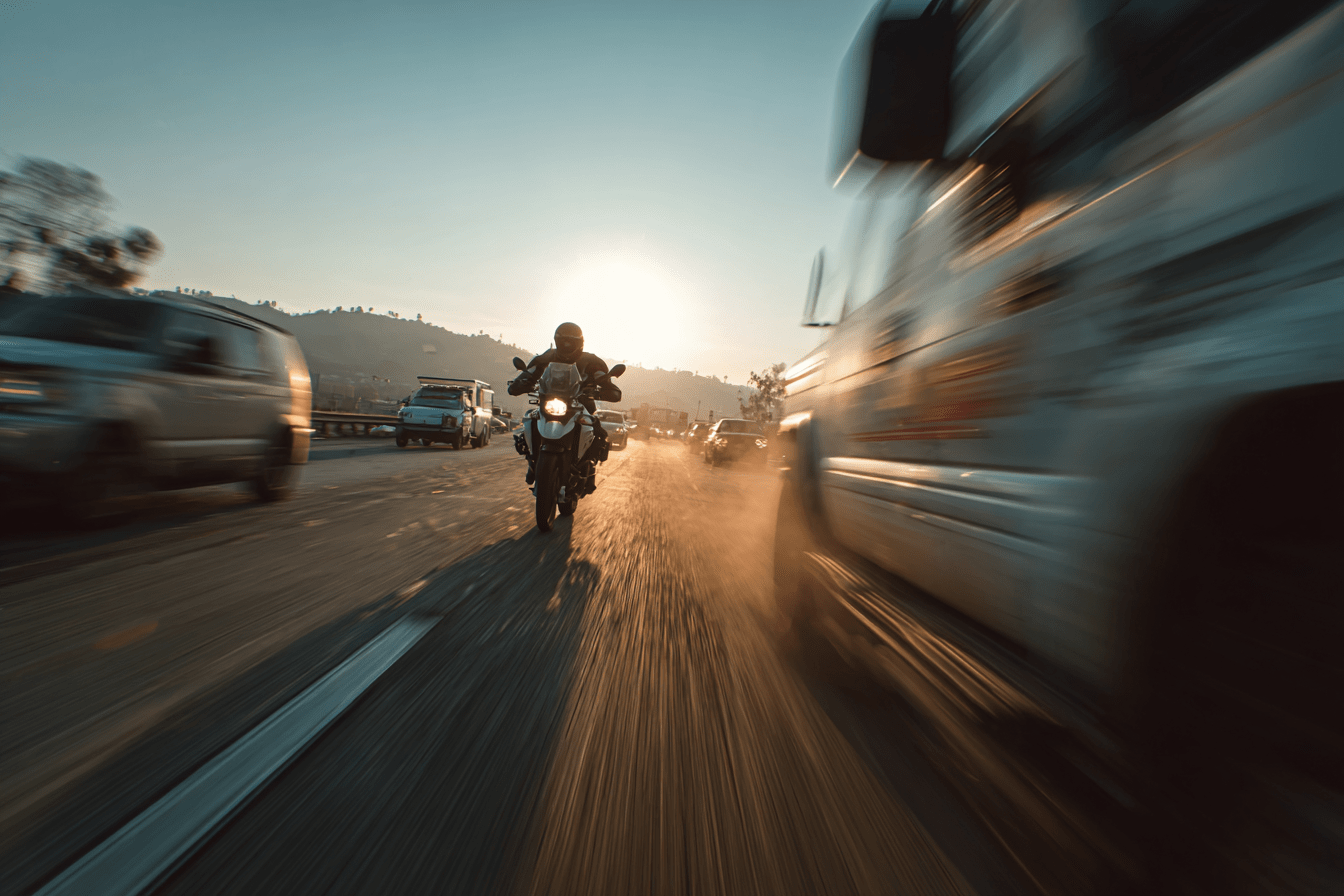
Lane splitting is when you ride your motorcycle between lanes of cars moving in the same direction. This means you can drive between two lanes of slow or stopped traffic on your bike.
California Vehicle Code Section 21658.1 makes this practice legal only for motorcycles. Cars, trucks, and other vehicles cannot lane split. The law says you must do it “safely and prudently,” which means you need to use good judgment about when and how to do it.
Is Lane Splitting Legal in California?
Yes, lane splitting is completely legal in California. California is the only state in America where you can legally ride your motorcycle between lanes of traffic.
The law became official in 2016, but motorcyclists had been doing it for decades before that. Even though it’s legal, you can still get a ticket if you do it unsafely. Police can cite you for reckless driving or speeding if they think you’re being dangerous.
Here’s what you need to know about the legal aspects:
- Only for motorcycles: Cars and trucks cannot lane split.
- No specific speed limits: The law doesn’t say how fast you can go.
- Safety requirement: You must lane split safely and prudently.
- Other violations still apply: You can get tickets for speeding or reckless driving.
Where Can You Lane Split in California?
You can lane split anywhere in California where it’s safe to do so. This includes freeways, highways, and city streets with multiple lanes.
Most riders lane split on busy freeways like Interstate 5 or Highway 101 during rush hour. You can also do it on surface streets, but you need to be extra careful around intersections and driveways.
Some places require more caution than others:
- Freeway on-ramps and off-ramps: Cars merge unpredictably here.
- Construction zones: Lane widths change, and workers are present.
- Toll plazas: Traffic patterns shift as cars approach payment booths.
- School zones: More pedestrians and distracted drivers.
How Fast Can You Lane Split Safely?
California law doesn’t set a specific speed limit for lane splitting. However, safety experts and the California Highway Patrol have guidelines to help you stay safe.
The safest approach is to keep your speed close to the speed of the traffic around you. Going much faster than other cars makes accidents more likely and more severe.
Safety guidelines include:
- Traffic speed: Lane split only when traffic is moving 30 mph or slower.
- Speed difference: Don’t go more than 10 mph faster than the surrounding cars.
- Weather conditions: Slow down even more in rain or poor visibility.
- Your experience level: New riders should be extra conservative.
California Highway Patrol Lane Splitting Guidelines
The California Highway Patrol created safety tips to help motorcyclists lane split more safely. These aren’t laws that police enforce with tickets, but they’re smart practices that can prevent accidents.
Following these guidelines shows you’re being responsible and can help if you’re ever in an accident. Insurance companies and courts look at whether you followed safety recommendations.
The CHP recommends you consider these factors:
- Lane width: Make sure there’s enough space between cars.
- Vehicle size: Avoid lane splitting next to large trucks or buses.
- Your visibility: Wear bright colors and use your headlight.
- Road conditions: Don’t lane split on wet or damaged pavement.
- Traffic behavior: Watch for cars that may suddenly change lanes.
Lane Splitting vs Lane Filtering in California
Lane splitting and lane filtering are basically the same thing in California. The law doesn’t make a distinction between them.
Lane filtering usually means moving between stopped cars at a red light. Lane splitting typically refers to moving between slow-moving traffic. In California, both actions fall under the same legal rules.
You can do both as long as you’re safe. The same guidelines apply whether traffic is completely stopped or moving slowly.
Are Bicycles Allowed to Lane Split in California?
No, bicycles cannot lane split in California. The lane-splitting law applies only to two-wheeled motorcycles.
Bicycle riders have different rules they must follow. They need to stay as far right as possible or use designated bike lanes when available.
If you ride a bicycle, you should:
- Use bike lanes: Stay in the marked bicycle lanes when available.
- Ride far right: Keep to the right side of the road when no bike lane is available.
- Follow traffic laws: Stop at red lights and follow the same rules as cars.
- Avoid lane splitting: Don’t ride between lanes of traffic.
Lane Splitting Risks and Benefits
Lane splitting has both advantages and dangers. Understanding both sides helps you make smart decisions about when to do it.
The practice can save time and reduce certain types of accidents. But it also creates new risks that don’t exist when you stay in one lane.
Benefits of Lane Splitting
Lane splitting offers several advantages for motorcyclists in heavy traffic situations:
- Shorter commute times: You can get through traffic jams faster than cars.
- Reduced rear-end crashes: You’re less likely to get hit from behind in stop-and-go traffic.
- Less engine overheating: Your motorcycle stays cooler when it keeps moving.
- Reduced traffic congestion: Motorcycles take up less space on the road.
Risks of Lane Splitting
The practice also comes with significant safety concerns you need to consider:
- Limited escape routes: You have less room to avoid sudden hazards.
- Driver blind spots: Car drivers often don’t see motorcycles between lanes.
- Unexpected lane changes: Cars might move into your path without warning, potentially causing sideswipe accidents.
- Door opening hazards: On city streets, car doors can open suddenly.
Safety Best Practices for Lane Splitting
Your safety depends on following smart practices every time you lane split. These habits can mean the difference between a safe ride and a serious accident.
Always assume other drivers don’t see you. Most car drivers aren’t looking for motorcycles between lanes, especially distracted drivers who may be focused on their phones or other distractions.
Visibility and Lane Position
Make yourself as visible as possible to other drivers. Position your motorcycle where drivers are most likely to see you in their mirrors.
Wear bright or reflective gear, especially during dawn, dusk, or cloudy weather. Keep your headlight on at all times, even during the day.
Speed and Following Distance
Control your speed based on traffic conditions and your reaction time. The faster you go, the less time you have to respond to problems.
Leave extra space between yourself and the cars around you. This gives you room to maneuver if something unexpected happens.
When Not to Lane Split
Some situations are too dangerous for lane splitting, even though it’s legal. Trust your judgment and stay in your lane when conditions aren’t right.
Avoid lane splitting in these situations:
- Heavy rain or wet roads: Reduced traction makes sudden movements dangerous.
- Strong winds: Crosswinds can push you into cars unexpectedly.
- Poor visibility: Fog, heavy rain, or glare makes it hard for drivers to see you.
- Unfamiliar roads: Stick to routes you know well when lane splitting.
- When you’re tired: Fatigue slows your reaction time.
Who Is at Fault in a Lane Splitting Accident?
Determining fault in a lane-splitting accident isn’t always straightforward. California uses “comparative negligence,” which means both drivers can share blame for an accident.
For example, a car driver might be 70% at fault for changing lanes without signaling, while you might be 30% at fault for going too fast. Your compensation would be reduced by your percentage of fault.
Insurance companies often try to blame motorcyclists more than they should. They know many people have negative opinions about lane splitting and motorcycles in general.
What to Do After a Lane Splitting Accident in California?
The steps you take immediately after an accident can affect your health and your legal case. Stay calm and focus on the most important tasks first.
Your safety and medical needs come before everything else. Even if you feel fine, adrenaline can mask serious injuries.
Call 911 and Get Medical Care
Always call 911 and follow proper procedures for what to do after any motorcycle accident, even if it seems minor. Police need to make an official report, and you might have injuries you don’t notice right away.
Let paramedics check you over even if you think you’re okay. Some injuries, like concussions or internal bleeding, don’t show symptoms immediately.
Document the Scene and Gather Information
Take photos of everything if you can do so safely. Get pictures of both vehicles, the road conditions, and any visible injuries.
Write down or photograph the other driver’s license plate, insurance information, and contact details. Also, get contact information from any witnesses who saw the accident.
Avoid Recorded Statements
Insurance adjusters will likely contact you soon after the accident. They might ask for a recorded statement about what happened.
Politely decline to give a recorded statement until you’ve spoken with a lawyer. Insurance companies can use your words against you later, even if you’re trying to be helpful.
Contact Kuzyk Personal Injury & Car Accident Lawyers
An experienced motorcycle accident attorney can protect your rights from the start. We handle all communication with insurance companies so you can focus on recovering.
At Kuzyk Personal Injury & Car Accident Lawyers, we’ve been helping injured motorcyclists in Lancaster, Fresno, and Bakersfield for decades. We work on a contingency fee basis, which means you don’t pay anything unless we win your case.
Common Traffic Violations While Lane Splitting
Even though lane splitting is legal, you can still get tickets for other traffic violations while doing it. Police officers can cite you for unsafe driving behaviors that happen during lane splitting.
These tickets can be expensive and add points to your driving record. They can also be used as evidence against you if you’re in an accident later.
| Violation | Fine Range | License Points |
| Unsafe Speed | $238-$490 | 1 point |
| Unsafe Lane Change | $238-$490 | 1 point |
| Following Too Closely | $238-$490 | 1 point |
| Reckless Driving | $490-$1,000 | 2 points |
History of Lane Splitting Laws in California
Lane splitting existed in a legal gray area for many years before becoming officially legal. It wasn’t explicitly illegal, but there was no law that clearly allowed it either.
This changed in 2016 when Governor Jerry Brown signed Assembly Bill 51 into law. The bill added Section 21658.1 to the Vehicle Code and gave the California Highway Patrol authority to create safety guidelines.
The law was partly based on research and safety recommendations indicating lane splitting can be performed safely under appropriate conditions. This research helped convince lawmakers that formal legalization was appropriate.
Lane Splitting Accident Injuries and Compensation
Motorcycle accidents involving lane splitting can cause serious injuries due to the confined space between vehicles. You have less room to avoid impact and fewer options for emergency maneuvers.
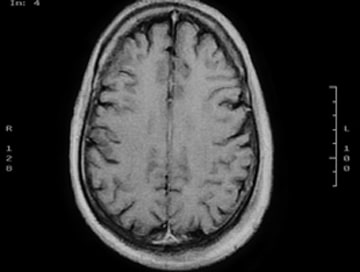
Common injuries in lane-splitting accidents include road rash, broken bones, and head trauma. These injuries often require expensive medical treatment and long recovery periods.
If another driver caused your accident, you may be entitled to compensation for:
- Medical expenses: Hospital bills, surgery costs, and ongoing treatment.
- Lost wages: Income you miss while recovering from your injuries.
- Pain and suffering: Compensation for physical pain and emotional distress.
- Property damage: Repair or replacement of your motorcycle.
Motorcycle Insurance and Lane Splitting
Your motorcycle insurance should cover you while lane splitting, since it’s legal in California. However, insurance companies might try to deny your claim by arguing that you were lane-splitting unsafely.
Make sure you have adequate coverage before you start lane splitting regularly. Consider increasing your limits if you plan to lane split during heavy commute traffic.
Important coverage types include:
- Liability insurance: Required by law and covers damage you cause to others.
- Collision coverage: Pays for damage to your motorcycle regardless of fault.
- Comprehensive coverage: Protects against theft, vandalism, and weather damage.
- Uninsured motorist coverage: Protects you if you’re hit by an uninsured driver.
Injured During a Lane-Splitting Accident?
If you’ve been injured in a lane-splitting accident in Lancaster, Fresno, or Bakersfield, you don’t have to face the insurance companies alone. Even when the other driver is clearly at fault, their insurance company will try to blame you to avoid paying what you deserve.
At Kuzyk Personal Injury & Car Accident Lawyers, we understand the challenges motorcyclists face after accidents. We’ve been fighting for the rights of injured riders for decades and know how to build strong cases that get results.
Our team handles all the legal details while you focus on your recovery. We work on a contingency fee basis, so you pay nothing unless we win your case. Contact us today for a free consultation to learn how we can help you get the justice and compensation you deserve.
Lane Splitting FAQs
Can You Lane Split at Any Speed in California?
While there’s no legal speed limit for lane splitting, safety experts recommend not going more than 10 mph faster than surrounding traffic. Lane splitting is safest when other vehicles are moving 30 mph or slower.
What Should You Do if a Car Hits You While Lane Splitting?
Call 911 immediately and get medical attention even if you feel fine. Document the scene with photos and get the other driver’s insurance information. Contact an experienced motorcycle accident lawyer before talking to insurance companies.
Can Police Officers Lane Split in California?
Yes, police officers on motorcycles can lane split just like any other motorcyclist. They must follow the same safety guidelines and can only exceed normal traffic laws when responding to emergencies with lights and sirens activated.
Conclusion
Lane splitting is legal in California, but legality alone does not protect motorcyclists from citations, shared fault, or aggressive insurance tactics after an accident. Whether a lane-splitting maneuver was performed safely and prudently often becomes the central issue when liability is disputed. Misunderstandings about the law frequently lead to riders being unfairly blamed, even when another driver caused the crash.
By understanding when and how lane splitting is permitted, following established safety guidelines, and knowing your rights after an accident, you place yourself in a stronger position both on the road and in any resulting claim. The details matter, from traffic speed and visibility to how the accident is documented and reported.
If you are injured while lane splitting, acting quickly and getting experienced legal guidance can make a critical difference. With proper representation, you can challenge improper fault assessments, protect your rights, and pursue full compensation for your injuries and losses.