Slip and fall settlements in Bakersfield, CA, typically range from $10,000 to over $500,000, depending on injury severity. Minor injuries like sprains often settle for $10,000-$25,000; moderate injuries, such as fractures, $25,000–$100,000; and severe or surgical injuries, $100,000–$500,000+. Settlement value depends on injury severity, medical treatment, lost wages, comparative fault, and proof that the property owner was negligent.
A slip and fall accident in Bakersfield can leave you injured, unable to work, and unsure what your case is really worth. What starts as a fall in a store, apartment complex, or parking lot can quickly turn into ongoing pain, medical appointments, and financial stress. Many victims assume there is a standard settlement amount, only to discover that compensation varies widely. Without clear guidance, it is difficult to know whether an offer is fair. This uncertainty often makes recovery even more stressful.
The problem is that insurance companies take advantage of that confusion. They may downplay injuries, question medical treatment, or argue you were partially at fault to reduce what they pay. Even though California law allows recovery when you share some blame, accepting a low settlement too early can leave you paying for future care and lost income out of pocket. Once you settle, you cannot go back.
In this article, you will discover average slip and fall settlements in Bakersfield, CA, what factors most affect compensation, and how a slip and fall attorney in Bakersfield can help you protect your rights and pursue full recovery.

What Is the Average Slip and Fall Settlement in Bakersfield?
Settlements for slip-and-fall injuries in Bakersfield involving moderate conditions, such as sprains or minor fractures, can vary widely depending on the specifics of the case. Cases involving severe injuries or surgery often result in substantially larger settlements.
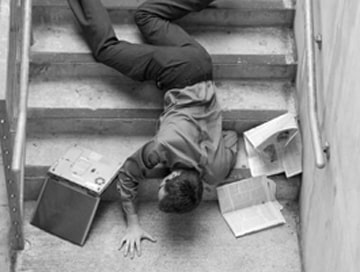
These numbers vary widely based on your specific situation. A slip at a grocery store with a broken wrist will settle for much less than a fall down stairs that requires hip surgery.
A slip and fall case happens when you get hurt on someone else’s property because they didn’t keep it safe. This means the property owner failed to fix dangerous conditions or warn you about them.
What Factors Determine Your Settlement Amount?
Your settlement amount depends on several key factors that work together. Understanding these helps you know what to expect from your case.
Severity of Your Injuries
The worse your injury, the higher your settlement will be. A twisted ankle generally results in a much smaller settlement than a catastrophic injury like a broken hip that requires surgery.
Insurance companies pay more when injuries are clearly documented by doctors. They also pay more when injuries require ongoing treatment or cause permanent problems.
Your Medical Bills and Future Care Costs
Your settlement must cover all your medical expenses, both past and future. This includes emergency room visits, doctor appointments, physical therapy, and any future surgeries you might need.
If you need ongoing care, such as physical therapy or pain management, those costs will be added to your settlement. A life care planner might calculate these future expenses to make sure you’re fully covered.
Lost Wages and Earning Capacity
If your injury keeps you from working, you can recover those lost wages. This includes time you’ve already missed and future income you might lose.
Some injuries permanently affect your ability to do your job. If you have to take a lower-paying position or can’t work as many hours, your settlement should account for this lost earning capacity.
Pain and Suffering
Pain and suffering compensate you for the physical pain and emotional distress your injury causes. California doesn’t have a cap on damages in most slip-and-fall cases.
One method for estimating pain and suffering is to apply a multiplier to documented medical expenses. Insurers often estimate pain and suffering by applying a multiplier to your medical bills, with more severe injuries typically resulting in higher multipliers.
Strength of Your Evidence
Strong evidence of the property owner’s negligence increases your settlement value. This includes photos of the hazard, witness statements, and incident reports.
The concept of “notice” is crucial here. You must prove the property owner knew about the dangerous condition or should have known about it through reasonable inspections.
Your Share of Fault
California uses comparative negligence, which means you can still recover money even if you were partly at fault. However, your settlement gets reduced by your percentage of blame.
If you’re found 20% at fault for not watching where you were walking, a $100,000 settlement would be reduced to $80,000. Insurance companies often try to blame the victims to pay less.
How Much More Do You Get With Surgery?
Surgery dramatically increases settlement values because it proves your injury is serious. Cases that require surgery generally result in higher settlements than cases involving non-surgical injuries.
The type of surgery matters for determining your settlement range, particularly for injuries like knee injury cases:
- Knee surgery: $75,000 to $250,000
- Shoulder surgery: $60,000 to $200,000
- Hip surgery: $150,000 to $400,000
- Back or spine surgery: $200,000 to $500,000
- Hand or wrist surgery: $40,000 to $150,000
Surgery also means longer recovery times, more pain and suffering, and higher medical bills. All of these factors push your settlement higher.
How Long Does Your Case Take to Settle?
Slip-and-fall cases in Bakersfield are often resolved through settlement, but the timeline varies depending on the injuries and the case’s complexity. Complex cases involving severe injuries or disputed liability can take two years or longer.
The timeline depends on how quickly you recover and reach maximum medical improvement. You shouldn’t settle until doctors know the full extent of your injuries and future needs.
Your case moves through several phases:
- Initial treatment and investigation (first 3 months)
- Continued treatment until maximum improvement (3 to 12 months)
- Settlement negotiations (2 to 6 months)
- Litigation if needed (6 to 18 additional months)
Special Deadlines for Government Property
If you fell on city property, like a sidewalk or in a government building, you face a strict six-month deadline. California law requires you to file a government tort claim within 180 days of your accident.
Missing this deadline usually means you lose your right to compensation forever. This is why you need to contact a lawyer immediately after falling on public property.
What Should You Do Right After Your Fall?
The actions you take immediately after falling can make or break your case. Quick thinking protects both your health and your legal rights.
Document Everything at the Scene
Take photos of what caused you to fall, even if you’re hurt. Get pictures of the hazard from different angles and show the surrounding area.
If anyone saw you fall, get their contact information. Witnesses often disappear or forget details if you wait too long to find them.
Report Your Fall Immediately
Tell the property owner or manager about your fall right away. Ask them to fill out an incident report and request a copy for your records.
Don’t let them brush you off or tell you to “just be more careful.” Make sure they document what happened in writing.
Get Medical Care the Same Day
See a doctor even if you don’t think you’re badly hurt. Some injuries, such as soft-tissue damage or back injuries, don’t show symptoms for hours or days.
Medical records create an official link between your fall and your injuries. Without prompt medical care, insurance companies will argue your injuries came from something else.
Preserve Your Shoes and Clothing
Don’t wear the shoes you had on when you fell. Store them safely because their condition and tread pattern can be important evidence.
Keep any torn or damaged clothing, too. These items help prove how the fall happened and how hard you hit the ground.
Avoid Insurance Company Tricks
Don’t give recorded statements to insurance adjusters before talking to a lawyer. They’ll use your words against you to deny your claim or reduce your settlement.
Never sign anything the insurance company sends you without legal review. Many documents are designed to limit their liability or get you to accept a low settlement.
What Types of Compensation Can You Recover?
California law allows you to recover money for both your financial losses and your pain and suffering. These are called economic and non-economic damages.
Economic Damages Cover Your Financial Losses
Economic damages reimburse you for money you’ve lost or will lose because of your injury:
- Medical expenses: Hospital bills, doctor visits, physical therapy, and medication.
- Lost wages: Time missed from work during recovery.
- Future earnings: Reduced income if you can’t return to your old job.
- Out-of-pocket costs: Transportation to medical appointments, assistive devices.
Non-Economic Damages Compensate Your Suffering
These damages pay you for losses that don’t have a specific dollar amount:
- Physical pain and discomfort: Both current pain and future chronic pain.
- Emotional distress: Anxiety, depression, and mental anguish from your injury.
- Loss of enjoyment: Activities you can no longer do because of your injury.
- Disfigurement: Permanent scars or physical changes from your injury.
Can You Still Win If You Were Partly at Fault?
Yes, you can still recover compensation even if you share some blame for your fall. California’s comparative negligence law allows this, but your settlement gets reduced by your percentage of fault.
For example, if you were texting while walking and didn’t see a wet floor, you could be found partially at fault. If you are partially at fault, your settlement amount will be reduced accordingly.
Insurance companies always try to blame the victims to pay less money. They’ll argue you weren’t watching where you were going or that the hazard was “open and obvious.”
This is why you need an experienced lawyer who knows how to fight these tactics and minimize your share of the blame.
Are Your Settlement Proceeds Taxable?
Most slip and fall settlements are not taxable under federal or California law. The IRS considers compensation for physical injuries as non-taxable income.
However, some portions of your settlement might be taxable. Interest payments and punitive damages (which are rare in slip-and-fall cases) are usually taxable.
You should consult with a tax professional about your specific situation. Every case is different, and tax laws can be complex.
Unique Bakersfield Factors That Affect Your Case
Bakersfield’s climate and local conditions create specific hazards that can strengthen your slip-and-fall case.
Weather-Related Hazards
Bakersfield’s hot summers cause concrete and asphalt to crack and become uneven. Property owners must regularly inspect and repair these surfaces as part of their premises liability obligations.
Winter rains create slippery conditions, especially on tile floors and smooth surfaces. Businesses must use mats, warning signs, and frequent cleaning to prevent falls.
Common Dangerous Locations
Certain types of properties in Bakersfield see more slip and fall accidents:
- Grocery stores: Spilled liquids in produce sections and broken jars in aisles.
- Gas stations: Oil leaks and fluid spills on concrete surfaces.
- Apartment complexes: Poor lighting, broken stairs, and unmaintained walkways.
- Shopping centers: Cracked pavement and inadequate drainage in parking lots.
Local Jury Attitudes
Kern County juries tend to be conservative but fair. They expect property owners to maintain safe conditions, but also expect people to pay attention while walking.
Local attorneys understand how to present cases effectively to Bakersfield juries. This local knowledge can make a significant difference in your settlement amount.
How Kuzyk Law Maximizes Your Settlement
With experienced legal representation, settlements are typically three to four times higher than what you could secure on your own, as demonstrated by past verdicts and settlements. We know how to build strong cases and negotiate aggressively with insurance companies.
We Act Fast to Preserve Evidence
Surveillance footage gets erased quickly, sometimes within days of an accident. We immediately send preservation letters to property owners requiring them to save all relevant video.
Our investigators photograph the scene, measure the hazard, and interview witnesses before the evidence disappears. Quick action often makes the difference between winning and losing your case.
We Use Medical and Economic Experts
For serious injuries, we work with doctors and life care planners to document your future medical needs. These experts provide concrete evidence of your long-term costs.
Economic experts calculate your lost earning capacity if your injury affects your ability to work. This professional testimony justifies higher settlement demands.
We Fight Insurance Company Tactics
Insurance adjusters use many tricks to reduce settlements. They’ll claim you weren’t really hurt, that the hazard was obvious, or that you caused your own fall.
We know these tactics and how to counter them. Our reputation for taking cases to trial gives us leverage in settlement negotiations.
When to Contact a Bakersfield Slip and Fall Lawyer
You should contact a lawyer as soon as possible after your fall, especially if you were seriously injured. Evidence disappears quickly, and there are strict deadlines you must meet.
Don’t try to handle your case alone. Insurance companies have teams of lawyers and adjusters working to minimize what they pay you.
At Kuzyk Personal Injury & Car Accident Lawyers, our experienced Bakersfield personal injury attorneys have been helping residents for decades. We work on a contingency fee basis, which means you pay nothing unless we win your case.
We’re available 24/7 and offer services in both English and Spanish. Contact us today for a free consultation to discuss your case and learn about your legal options.
Bakersfield Slip and Fall Settlement FAQs
How Much Can I Get for a Broken Wrist From a Slip and Fall?
A broken wrist settlement typically ranges from $25,000 to $75,000, depending on whether you need surgery and how the injury affects your daily activities. Dominant hand injuries usually result in more money because they impact your ability to work and perform routine tasks.
Should I Accept the First Settlement Offer From the Insurance Company?
No, you should never accept the first offer from an insurance company. These initial offers are typically much lower than what your case is actually worth, and they’re designed to get you to settle quickly before you understand the full extent of your injuries and future needs.
What Happens if I Can’t Afford a Lawyer for My Slip and Fall Case?
Most slip and fall lawyers work on a contingency fee basis, which means you don’t pay any attorney fees unless they win your case. The lawyer’s fee comes out of your settlement, so you don’t need money upfront to hire experienced legal representation.